
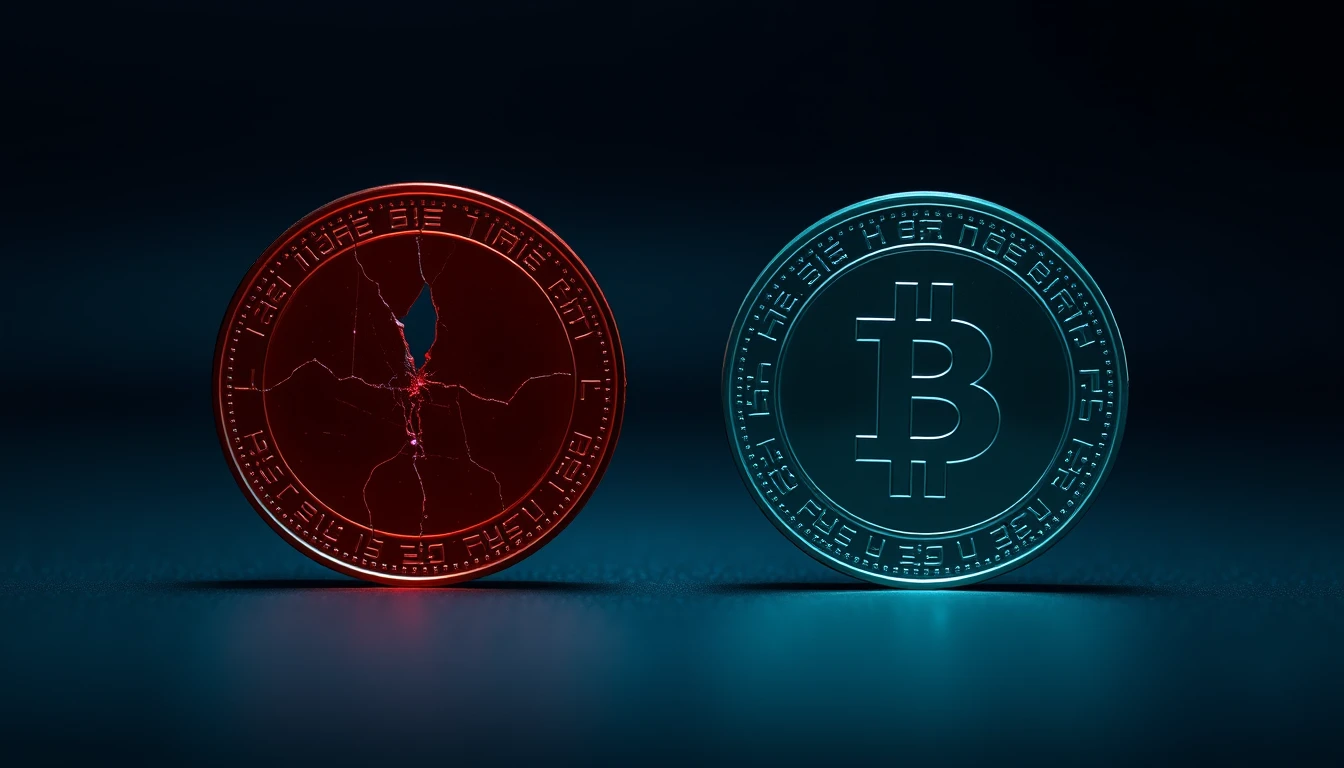
How to Avoid Counterfeit Tokens
Every day, thousands of people enter peer-to-peer transactions online. A farmer sells grain to a buyer across the country. A freelancer delivers work to a client abroad. A collector buys a rare digital asset from a stranger. In each case, one question haunts both sides: Will I actually get what I paid for?
The rise of blockchain and tokenized assets has opened incredible possibilities—but it's also created a new kind of risk. Counterfeit tokens circulate on public ledgers like TRON and Ethereum every single day. A token that looks legitimate, trades on exchanges, and appears in your wallet may be a perfect copy designed to steal your money. The victim discovers the deception too late: the "USDT" they received isn't backed by anything at all.
This is why we built GuardPay, and why we want to share what we've learned about staying safe.
What Makes a Token Counterfeit?
A counterfeit token is a smart contract deployed by a bad actor that mimics a real, legitimate token. It has a similar name, a similar symbol, sometimes even a copied logo. To the naked eye—especially in a crowded wallet or on a casual glance—it looks genuine. But it holds no real value and no legitimate backing.
The scammer's goal is simple: convince you that you've received payment in a trusted asset (like USDT), when in fact you've received something worthless. By the time you try to sell it or transfer it, you realize the truth. Your funds are gone.
Counterfeiters exploit a fundamental truth about public blockchains: anyone can deploy a smart contract. This openness is also blockchain's greatest strength—it means no gatekeeper controls who can build. But it also means due diligence falls on you, the participant.
How to Spot and Screen Tokens Before You Accept Them
The good news: you don't have to be a blockchain engineer to protect yourself. Here's a practical approach:
- Verify the contract address. If someone sends you USDT, confirm the address matches the official USDT contract on the blockchain network you're using. Write it down from an official source beforehand. A single character difference means it's a fake.
- Check the token's on-chain history. Public blockchain data tells a story: When was the contract deployed? How many holders does it have? Is it traded on reputable exchanges? A counterfeit token often shows red flags—a sudden creation date, tiny holder count, or zero trading volume.
- Use a risk-screening tool. GuardPay offers a free wallet scanner that examines any token you hold. It flags suspicious contracts, analyzes holder distribution, and alerts you to known counterfeits before you finalize a transaction.
- Ask for proof before closing a deal. Request that the sender prove they're about to send a legitimate token. Have them share the contract address publicly on-chain. Transparency is your shield.
Why Smart Escrow Protects You Where Tokens Alone Cannot
Screening tokens prevents many scams, but it doesn't solve everything. What if a token is legitimately valid today but becomes illiquid tomorrow? What if the seller claims they sent funds when they didn't?
This is where escrow matters. In a GuardPay transaction, funds lock in a smart contract—not held by any company, not controlled by us. Both parties can see the funds frozen on the public ledger. Only when both participants agree, or when an impartial dispute resolution panel rules fairly, do the funds move. No middleman. No hidden risk.
Escrow + token screening = trust without gatekeepers.
For P2P transactions, this combination is powerful. You can require that counterfeit-free tokens be sent to the escrow address before you release anything of value. If a bad-faith seller tries to slip you a fake token, you simply don't approve the release. The funds return to them; you walk away unharmed.
Your Role in a Safer Blockchain Future
Blockchain promised us the ability to transact without middlemen. But that freedom comes with responsibility. Every time you verify a contract address, every time you use screening tools, every time you insist on escrow before releasing value, you're doing your part to make peer-to-peer commerce safer for everyone.
Counterfeit tokens will keep appearing. Scammers will keep refining their tricks. But educated, cautious, tool-equipped participants—that's something they cannot overcome. You have the power to protect yourself and, by example, your entire network.
The future of commerce doesn't require you to trust a company. It requires you to stay vigilant, ask the right questions, and use the tools designed for your safety. Everything else follows from there.